Urban Flood Management: Advances in Modeling with an Overview of PCSWMM Talk by Dr. Kaushika G. S.
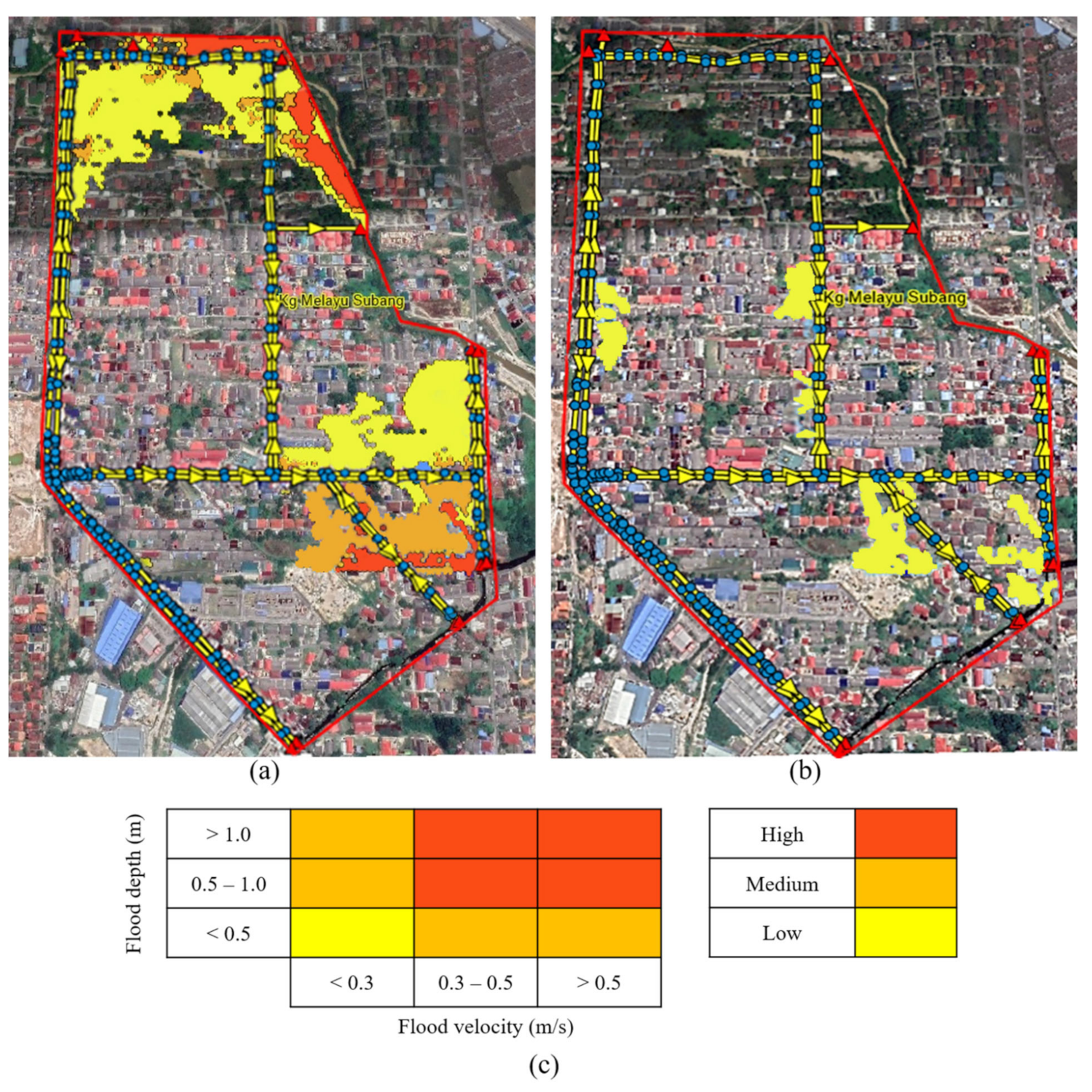
Urban flooding has become one of the most critical challenges in modern city management due to rapid urbanization, increased impervious surfaces, and inadequate drainage infrastructure. It not only disrupts mobility and damages property but also poses risks to health, safety, and economic productivity.It is driven by high-intensity, short-duration rainfall events, reduced time of concentration (ToC), and the proliferation of impervious surfaces that limit natural infiltration. Effective assessment requires integrated hydrologic and hydraulic (H&H) modeling that represents rainfall-runoff generation, surface flow routing, drainage network hydraulics, floodplain interactions, and the influence of urban topography and land use. These models simulate how stormwater moves through urban catchments, identify bottlenecks in the drainage system, and help in designing resilient infrastructure. Commonly used software for urban flood modeling includes SWMM, PCSWMM, HEC-HMS, HEC-RAS (2D), MIKE URBAN, and InfoWorks ICM, each capable of simulating rainfall-runoff processes and dynamic flood propagation. PCSWMM, in particular, offers a robust and user-friendly GIS-integrated platform that excels in simulating complex urban drainage and flood scenarios with spatial precision. PCSWMM offers a comprehensive and flexible environment for simulating urban hydrology and hydraulics, making it one of the most advanced tools for stormwater and flood management. It is fully GIS-enabled, allowing seamless integration of spatial data such as DEMs, land use, and drainage networks for accurate catchment representation and analysis. The software supports both pipe and open channel flow modeling, enabling realistic simulation of dual drainage systems where surface and subsurface flows interact during heavy rainfall events. With its integrated 1D–2D modeling capability, PCSWMM accurately represents complex flow dynamics, including surface inundation, flow exchange between networks, and floodplain behavior, providing detailed insights for flood risk assessment, infrastructure design, and urban resilience planning.